
by Mats Kristensen | Aug 13, 2025 | ESA
1. Introduction and Purpose This white paper outlines the vision, user needs, technical concept, and development direction for the AI-Driven Crisis Response System under the ESA Civil Security from Space (CSS) Programme. The primary focus is on leveraging...
by Nicholas Caprino Newhouse | Jun 25, 2025 | ESA, News
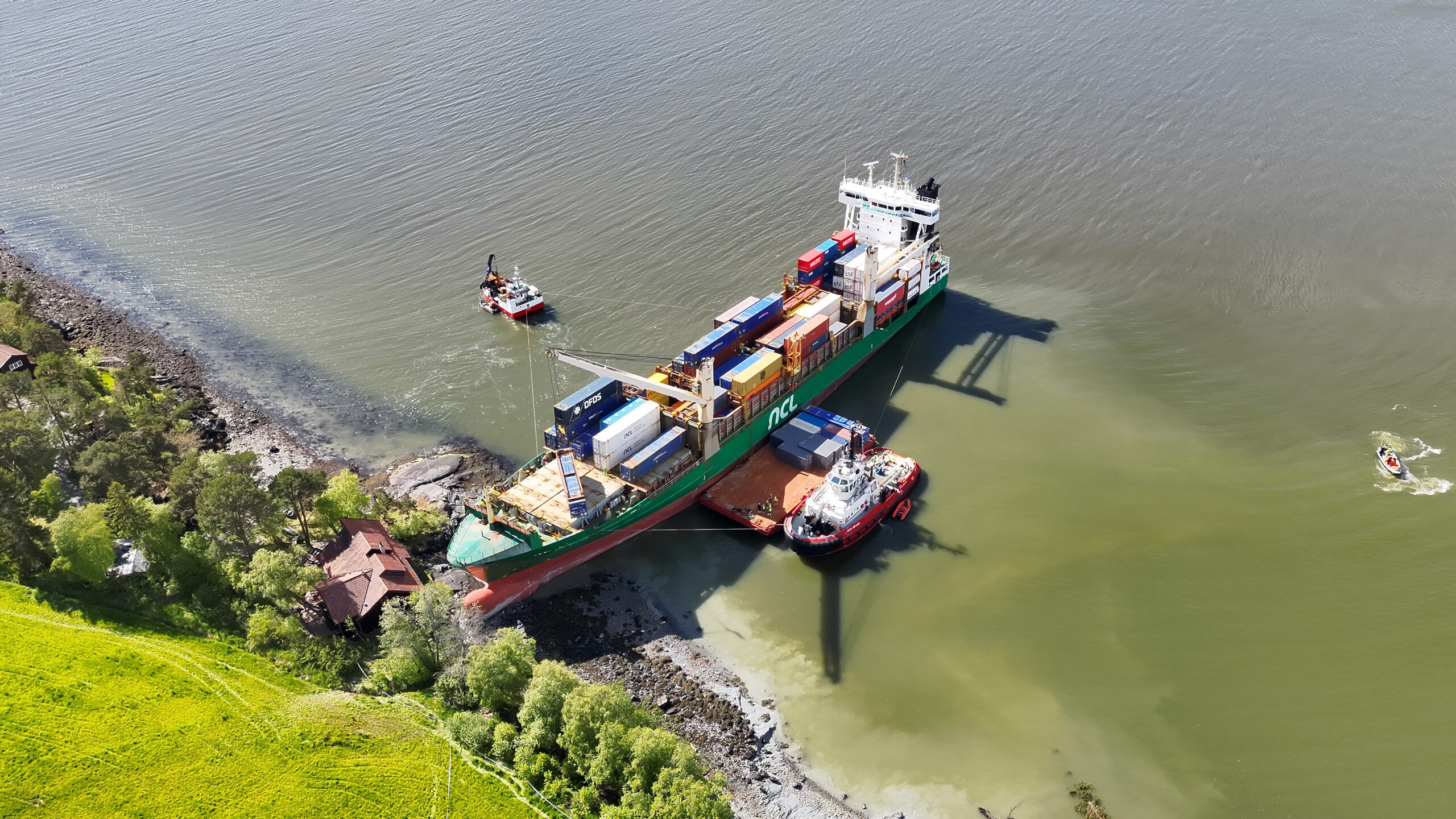
Real World Deployment of ESA’s AI-Driven Crisis Response System The ESA driven Civil Security from Space (CSS) project, focusing on how satellite- and drone-data can support first responders with valuable data insight, got an unexpected head start when a large...
by Mats Kristensen | Jun 18, 2025 | ESA, News
On June 18, 2025, Tiepoint and KSAT held a joint workshop with the Joint Rescue Coordination Centre North (JRCC North) as part of the ESA-funded Civil Security from Space (CSS) project. The meeting brought together key representatives from JRCC, KSAT, and Tiepoint to...

by Mats Kristensen | May 14, 2025 | ESA
On May 14, 2025, Tiepoint held a focused workshop with Kongsberg Satellite Services (KSAT) in Tromsø to align efforts within the ESA Civil Security from Space (CSS) project. The goal was to deepen technical collaboration and explore how satellite data can support...

by Mats Kristensen | Apr 10, 2024 | News, Professional articles, Science, Technology
Abstract Tiepoint, a leading company specializing in unmanned aerial vehicles (UAVs), has extensive experience operating drones in the challenging Arctic region. With a focus on electric UAVs used by NOFO (The Norwegian Clean Seas Association for Operating Companies),...
